

Bringing a puppy home is exciting — but learning how to train a puppy from day 1 can feel overwhelming without a clear plan, especially when advice online feels scattered or contradictory. Most puppy training challenges don’t come from bad behavior, but from unclear routines, inconsistent expectations, and too much pressure too early.
Why Training From Day 1 Matters
Training a puppy from day one isn’t about teaching commands — it’s about creating emotional safety, predictable routines, and clear expectations from the start. The habits formed in the first days and weeks shape how your puppy responds to stress, learns new skills, and builds trust with you long-term. If you’re trying to learn how to train a puppy from day one, this timeline gives you a calm plan to follow.
Many common behavior challenges — including potty accidents, biting, anxiety, and resistance to training — don’t come from stubbornness. They come from confusion. When puppies don’t understand what’s expected, they fill in the gaps themselves, often in ways that frustrate new owners.
Starting early helps establish emotional safety first. Puppies that feel secure and understood are calmer, more confident, and far more receptive to learning. This doesn’t require force — it requires consistency, patience, and an environment your puppy can predict. Learning how to train a puppy becomes far easier when you start with emotional safety and a clear timeline from day one.
Routine is the foundation. Simple, repeatable patterns for feeding, potty breaks, rest, and play teach your puppy how the world works. When routines are clear, puppies relax — and relaxed puppies learn faster.
Most importantly, early training prevents problems before they begin. Instead of constantly correcting unwanted behaviors, a prevention-first approach guides your puppy toward the right behaviors from the start — reducing stress for both of you.
When training begins with clarity rather than correction, the result is a calmer, more confident puppy — and an owner who knows exactly what to do next. That’s why a step-by-step timeline matters.
If you’ve been searching for a clear way to understand how to train a puppy from day one without stress or confusion, this step-by-step timeline gives you a calm place to start.

The Step-by-Step Puppy Training Timeline on How to Train A Puppy From Day 1
One of the biggest challenges new puppy owners face isn’t lack of effort — it’s not knowing what to focus on at each stage. Without a clear timeline, it’s easy to rush ahead, skip foundations, or feel overwhelmed by conflicting advice.
A step-by-step puppy training timeline removes guesswork by breaking training into clear, manageable phases. Instead of trying to teach everything at once, you focus on the right priorities at the right time — building skills gradually while protecting your puppy’s confidence and emotional stability.
This timeline-based approach is the foundation of calm, effective puppy training.
The First 72 Hours: Safety, Trust, and Decompression
The first 72 hours after bringing your puppy home are not about obedience — they’re about emotional safety. This is a major transition for your puppy, filled with new sights, smells, sounds, and people.
During this stage, the goal is to create a calm environment where your puppy can decompress and begin to feel secure. Gentle routines, limited stimulation, and consistent handling help establish trust and reduce anxiety before formal training begins.
Focusing on safety and predictability early prevents fear-based behaviors and sets the tone for everything that follows.
The First Week: Routine, Structure, and Clarity
Once your puppy begins to settle in, the first full week is about introducing structure. This is where simple routines for potty breaks, meals, rest, play, and crate time start to take shape.
Clear routines help your puppy understand what comes next, which reduces stress and confusion. When expectations are consistent, puppies learn faster — especially when it comes to potty training and settling calmly between activities.
This stage is not about perfection. It’s about repetition, patience, and teaching your puppy how daily life works.
Weeks 2–8: Potty Training, Crate Training, and Bite Inhibition
As your puppy grows more comfortable, training shifts toward skill-building. This is the stage where potty training routines become clearer, crate training supports rest and independence, and biting and chewing behaviors are gently guided rather than punished.
Biting, nipping, and chewing are normal developmental behaviors — not signs of aggression. Addressing them calmly and consistently during this window prevents long-term habits and frustration later on.
When training is structured and age-appropriate, puppies learn boundaries without fear, and owners gain confidence instead of stress.
Months Ahead: Social Confidence, Calm Behavior, and Growth
As your puppy matures, training evolves. Social exposure, leash skills, calm behavior around distractions, and emotional regulation become more important than strict obedience drills.
This phase is about guiding your puppy toward independence while maintaining trust. Gradual exposure, positive reinforcement, and consistent routines help prevent anxiety, reactivity, and overwhelm as your puppy’s world expands.
By following a timeline instead of rushing milestones, training stays supportive rather than stressful — for both you and your dog.
Want a Clear Puppy Training Plan You Can Follow?
Reading about puppy training is helpful — but having a clear plan you can return to at each stage is what actually makes training feel calm and manageable.
The Complete Puppy Training Guide was created for puppy owners who want structure without stress. It walks you through each stage of puppyhood using a step-by-step timeline — so you always know what to focus on next, without second-guessing yourself.
Our training philosophy aligns with established canine development standards, including guidance from the American Kennel Club (AKC) on early puppy training and behavior.
A Step-by-Step Puppy Training Timeline You Can Follow
This is exactly why a clear, structured puppy training timeline matters. When you know what to focus on at each stage, training becomes calmer, more effective, and far less overwhelming — for both you and your puppy.
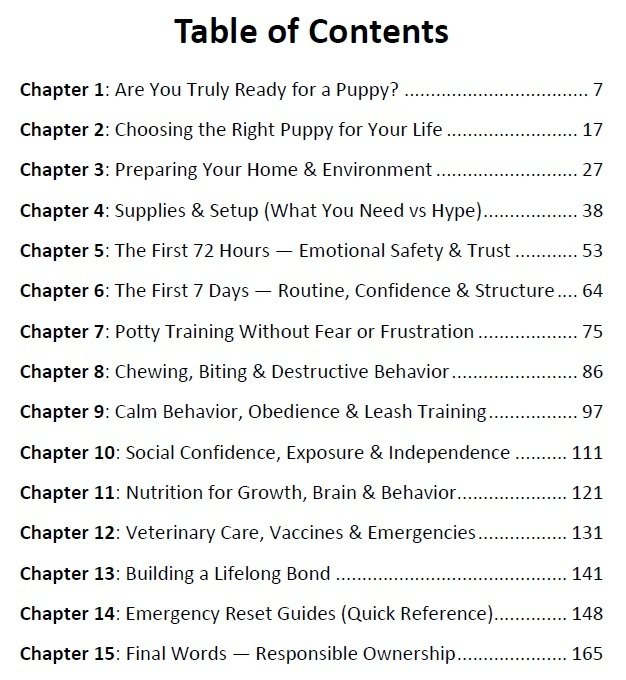
The Complete Puppy Training Guide expands this approach into a full 15-chapter, step-by-step timeline, covering every major stage of puppy development — from preparation and the first days at home to long-term behavior, confidence, and responsible ownership.
Prefer a Clear Puppy Training Plan You Can Follow Step by Step?
If you’re feeling overwhelmed by conflicting advice or unsure what to focus on next, this guide was created to give you clarity. Instead of guessing, you’ll have a calm, structured plan you can return to as your puppy grows. If you’re looking for a calm, structured way to learn how to train a puppy from day one, a timeline-based approach removes guesswork and reduces stress for both you and your dog.
The guide is designed to support emotional safety, routine, and prevention — helping you raise a confident, well-behaved puppy without stress or force-based methods. That’s the foundation of how to train a puppy from day one in a way that feels structured and doable
As part of building calm, structured routines from day one, the right leash can make early training walks far easier — our top dog leashes for puppy training and pulling are outlined in our latest 2026 guide.